
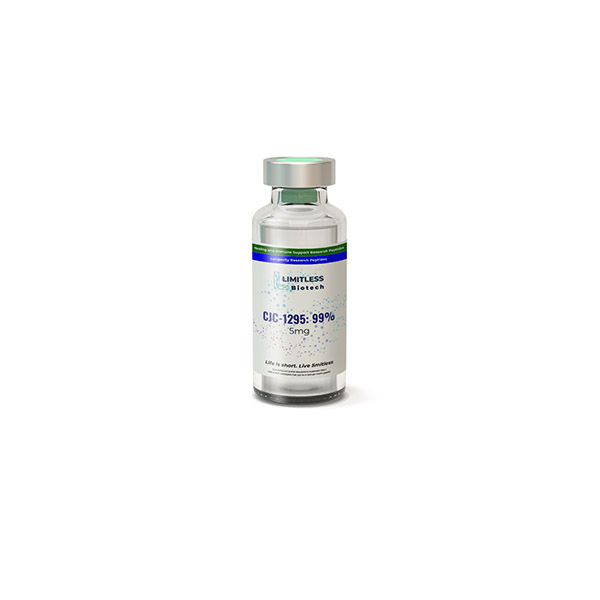
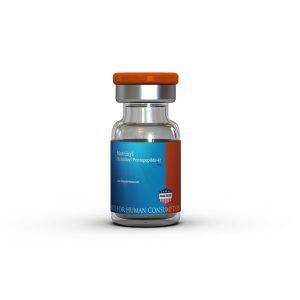
CJC-1295 (10 mg) — Long-Acting Growth Hormone Releasing Hormone Analog
CJC-1295 (10 mg) is a synthetic peptide analog of growth hormone–releasing hormone (GHRH) designed for research purposes. By binding to the GHRH receptor in the pituitary, it stimulates a sustained release of endogenous growth hormone (GH) and downstream IGF-1, promoting tissue repair, lean-mass accrual, and various metabolic benefits. This 10 mg vial offers sufficient material for extended in vivo or in vitro protocols.
Key Features & Benefits
-
Extended Half-Life: Modified with Drug Affinity Complex (DAC) technology, CJC-1295 has an extended circulation time of up to 7–10 days, allowing for less-frequent dosing compared to native GHRH.
-
Pulsatile GH Release: Triggers physiological, pulsatile secretion of growth hormone, minimizing receptor desensitization and maximizing anabolic signaling pathways.
-
IGF-1 Elevation: CJC-1295 indirectly raises IGF-1 levels, supporting muscle protein synthesis, collagen production, and tissue regeneration.
-
Metabolic Support: Enhances lipolysis and improves nutrient partitioning, promoting lean body mass gains while minimizing fat accumulation.
-
Research-Grade Purity: Lyophilized powder with ≥98% purity by HPLC, ideal for precise dosing in preclinical studies.
Typical Research Applications
-
Musculoskeletal Regeneration: Accelerates healing in models of muscle injury, tendon repair, and bone regeneration.
-
Metabolic Studies: Investigates the effects of the GH/IGF-1 axis on lipid metabolism, insulin sensitivity, and body composition.
-
Aging & Longevity Research: Explores CJC-1295’s potential in counteracting age-related declines in growth hormone secretion and tissue function.
-
Endocrinology & Signal Transduction: Used to study GHRH receptor pharmacodynamics and downstream JAK2/STAT5 signaling pathways.
Handling & Dosing (Research Use Only)
-
Reconstitution: Add 1 mL of bacteriostatic water to the 10 mg vial, resulting in a 10 µg/µL stock solution.
-
Storage: Lyophilized peptide should be stored at –20 °C. After reconstitution, store aliquots at –80 °C and avoid freeze-thaw cycles.
-
In Vivo Dosing: Administer 1–2 µg/kg via subcutaneous or intraperitoneal injection, 1–2 times per week, based on your study design.
-
In Vitro Use: Prepare working dilutions in a sterile buffer; typical concentration is 10–100 nM for receptor activation assays.
Safety & Precautions
-
Laboratory Use Only: Not intended for human or veterinary use.
-
PPE Required: Handle the peptide under a biosafety cabinet with gloves, lab coat, and eye protection.
-
Disposal: Dispose of unused peptide and consumables according to institutional biohazardous waste guidelines.
Quality & Documentation
-
Certificate of Analysis (CoA): Each batch is supplied with lot-specific data for identity, purity, and endotoxin levels (<0.1 EU/µg).
-
Compliance: Manufactured under ISO 9001 conditions, ensuring suitability for GLP (Good Laboratory Practice) environments.
CJC-1295 (10 mg) offers researchers a valuable tool for investigating growth hormone biology, regenerative medicine, and metabolic regulation, with the convenience of infrequent dosing. This peptide is ideal for studies exploring the molecular mechanisms that drive tissue repair, fat loss, and anabolic processes.
There are no reviews yet.