
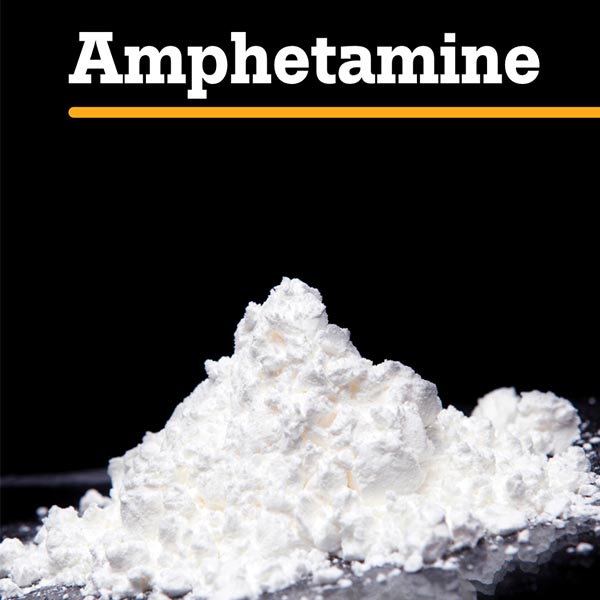
150,00 $ – 1 250,00 $Price range: 150,00 $ through 1 250,00 $
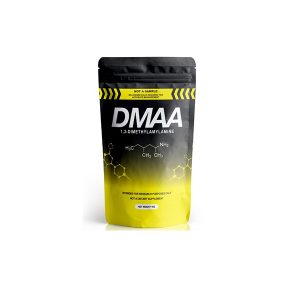
DMAA (1,3-dimethylamylamine)
Highlights:
DMAA (1,3-Dimethylamylamine) is a stimulant compound that has been used in various supplements, particularly those marketed for weight loss, performance enhancement, and energy boosting. It is chemically similar to amphetamines and was once a popular ingredient in pre-workout supplements and fat burners. However, its safety and legality have been a topic of controversy.
>>>data-start=”378″ data-end=”393″>Key Points:
-
Chemical Class: Stimulant, structurally related to amphetamines.
-
Mechanism of Action: DMAA works by stimulating the central nervous system, potentially increasing heart rate, blood pressure, and alertness. It is believed to release norepinephrine, a neurotransmitter that helps control alertness, focus, and mood.
</li></ul>
136,00 $ – 1 088,00 $Price range: 136,00 $ through 1 088,00 $
Ecstasy
Highlights:
Ecstacy pills
for sale High Quality made from imported dutch MDMA
Each pill is 150mg
12,00 $
Khat
Highlights:
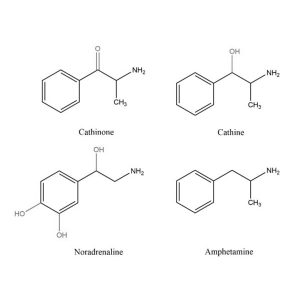
Khat (Catha edulis) is a plant native to East Africa and the Arabian Peninsula, primarily grown in countries like Yemen, Ethiopia, and Kenya. The leaves of the khat plant are commonly chewed for their stimulant effects due to the presence of psychoactive compounds, primarily cathinone and cathine, which are chemically similar to amphetamines.
Key Points:
-
Chemical Components: Khat contains cathinone, cathine, and other related alkaloids. Cathinone is the primary psychoactive compound, responsible for most of the stimulant effects.
-
Mechanism of Action: The active compounds in khat primarily stimulate the central nervous system, increasing the release of norepinephrine, dopamine, and serotonin, leading to heightened alertness, euphoria, and increased energy.
-
Common Uses:
-
Stimulant Effect: Khat is chewed to produce a mild to moderate stimulant effect, improving mood, alertness, and concentration. It is often used socially or in cultural practices.
-
Cultural Significance: In some regions, khat chewing is a traditional social activity, and it plays a significant role in the culture of many East African and Arabian communities.
-
10,00 $ – 100,00 $Price range: 10,00 $ through 100,00 $
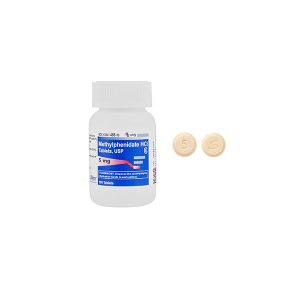
146,00 $ – 1 465,00 $Price range: 146,00 $ through 1 465,00 $
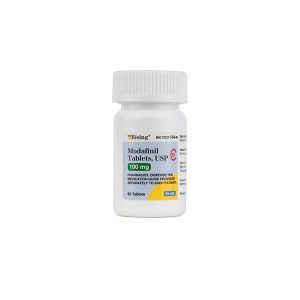
92,00 $ – 920,00 $Price range: 92,00 $ through 920,00 $
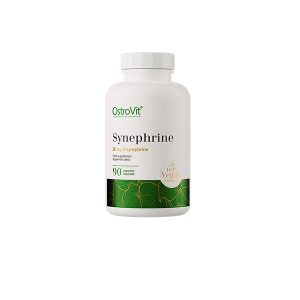
Synephrine
Highlights:
Synephrine is a naturally occurring compound found in bitter orange (Citrus aurantium) and other citrus fruits. It is chemically similar to ephedrine and is often used in weight loss supplements and energy-boosting products due to its stimulant properties.
Key Points:
-
Chemical Class: Alkaloid, similar to ephedrine.
-
Mechanism of Action: Synephrine primarily acts as a stimulant by increasing the release of norepinephrine, a neurotransmitter that can boost heart rate, metabolism, and fat burning. It is thought to have a milder effect compared to ephedrine but can still have noticeable thermogenic (heat-producing) effects.
326,00 $ – 652,00 $Price range: 326,00 $ through 652,00 $
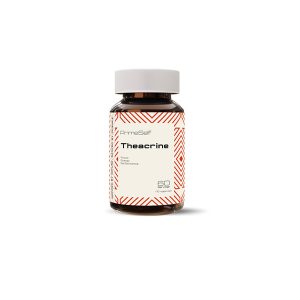
288,00 $ – 576,00 $Price range: 288,00 $ through 576,00 $
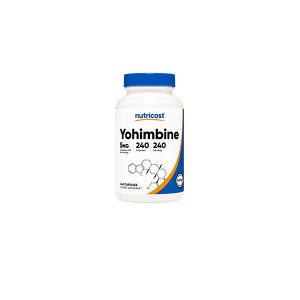
105,00 $ – 420,00 $Price range: 105,00 $ through 420,00 $