
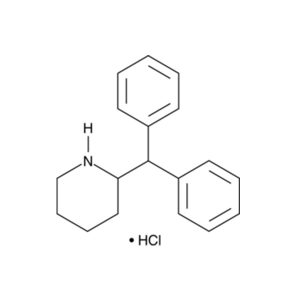
180,00 $ – 3 900,00 $Price range: 180,00 $ through 3 900,00 $
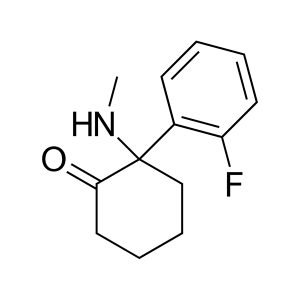
200,00 $ – 3 500,00 $Price range: 200,00 $ through 3 500,00 $
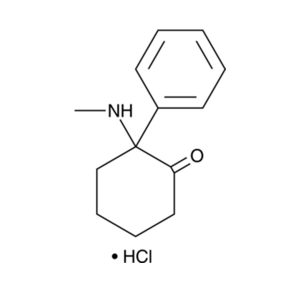
180,00 $ – 3 900,00 $Price range: 180,00 $ through 3 900,00 $
2′-OXO-PCE ( 2′-Oxopiperidine Cyclohexyl Ester )
Highlights:
2′-OXO-PCE (2′-Oxopiperidine Cyclohexyl Ester) is a synthetic dissociative compound, part of the piperidine class. It is chemically similar to other substances like PCP (Phencyclidine) and MXE (Methoxetamine), known for their dissociative, hallucinogenic, and anesthetic effects. It is often used recreationally but is not approved for medical use.
Key Points:
-
Chemical Class: Piperidine-based dissociative anesthetic.
-
Mechanism: Likely acts as an NMDA receptor antagonist, similar to other dissociatives like PCP. This interaction can disrupt normal brain function, leading to dissociative states, sensory distortions, and hallucinations.
-
Effects: Users may experience altered perception of reality, loss of motor control, numbness, and in some cases, euphoria. High doses can lead to dangerous effects, such as agitation, paranoia, and severe dissociation.
-
Legality: 2′-OXO-PCE is often classified as a research chemical or analog of PCP, and its legal status may vary depending on local laws. In many countries, it is unregulated or illegal due to its potential for abuse and lack of research on safety.
-
Health Risks: As with other dissociative drugs, 2′-OXO-PCE can have serious health risks, including cognitive impairment, physical harm, and addiction. Long-term or excessive use can lead to neurotoxicity and other severe psychological or physical effects.
330,00 $ – 2 700,00 $Price range: 330,00 $ through 2 700,00 $
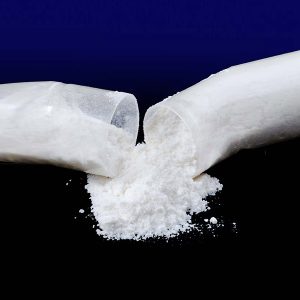
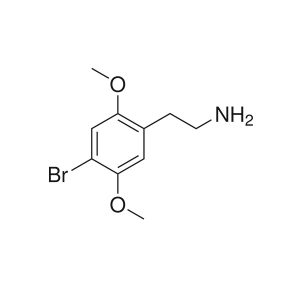
2C-B
Highlights:
2C-B (4-Bromo-2,5-dimethoxyphenethylamine) is a synthetic psychedelic substance that belongs to the 2C family of compounds, which were first synthesized by chemist Alexander Shulgin. It is known for its hallucinogenic and empathogenic effects and has gained popularity as a recreational drug.
Key Points:
-
Chemical Class: Phenethylamine, which is a class of compounds related to other hallucinogens like mescaline.
-
Effects: 2C-B is known for producing visual and auditory hallucinations, enhanced sensory perception, and feelings of euphoria. It can also enhance emotional experiences, making users feel more connected to others (empathogenic effects). The intensity of the effects can vary depending on the dose.
-
Duration: The effects typically last 4-6 hours, with a peak around 2-3 hours after ingestion.
-
Administration: It is typically taken orally, in the form of tablets, capsules, or powder. The potency can vary, so users should be cautious with dosing.
-
Legality: 2C-B is classified as a controlled substance in many countries, including the United States and several European countries. Its legal status varies, and in some places, it may be available for research purposes but not for recreational use.
30,00 $ – 150,00 $Price range: 30,00 $ through 150,00 $
30,00 $ – 300,00 $Price range: 30,00 $ through 300,00 $
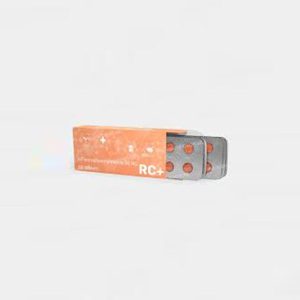
3-Fluorophenmetrazine (3-FPM)
Highlights:
3′-fluorophenmetrazine, is the 3′-fluoro analogue of Phenmetrazine. – This is the crystal form.
Phenmetrazine was an extremly popular chemical with researchers in the 1960s, with in-vitro stimulant properties but is now controlled in most countries so is unavailable for the majority of researchers.
100,00 $ – 1 700,00 $Price range: 100,00 $ through 1 700,00 $
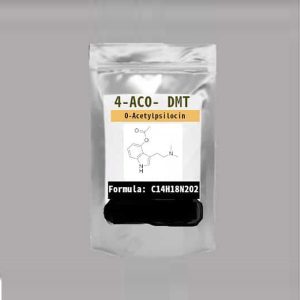
4-ACO-DMT
Highlights:
IUPAC Name: 3-[2-(dimethylamino)ethyl]-1H-indol-4-yl acetate
Chemical Formula: C14H18N2O2
<b>Appearance: Fine crystalline powder
Purity: 98%+
115,00 $ – 1 500,00 $Price range: 115,00 $ through 1 500,00 $
23% Off
4-ACO-DMT
Highlights:
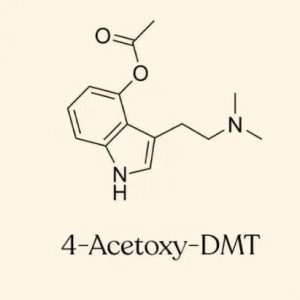
4-AcO-DMT (4-Acetoxy-Dimethyltryptamine) is a synthetic compound structurally similar to psilocybin, the active ingredient in psychedelic mushrooms. It is a member of the tryptamine class and is known for its hallucinogenic effects, which are thought to occur due to its interaction with serotonin receptors in the brain.
Key Points:
- Chemical Class: Tryptamine (a class of compounds that includes psilocybin and DMT).
- Psychoactive Effects: Known for producing altered perception, vivid visuals, and changes in thought patterns, similar to the effects of psilocybin and LSD.
- Duration: The effects typically last 4–6 hours, depending on the dose.
- Usage: Often used recreationally or for spiritual exploration, but its safety profile is not well-studied, and it may cause negative effects such as anxiety or confusion.
- Legality: The legal status of 4-AcO-DMT varies by country. In many places, it is considered a research chemical and may be illegal or unregulated.
180,00 $ – 1 600,00 $Price range: 180,00 $ through 1 600,00 $
150,00 $ – 3 500,00 $Price range: 150,00 $ through 3 500,00 $
5-MEO-DMT
Highlights:
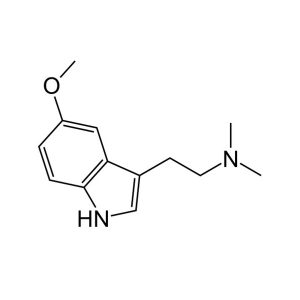
5-MeO-DMT or 5-methoxy-N,N-dimethyltryptamine is a ring-substituted indole alkaloid molecule of the tryptamine class. Tryptamines share a core structure comprised of a bicylic indole heterocycle attached at R3 to a terminal amine group via an ethyl side chain.
350,00 $ – 1 700,00 $Price range: 350,00 $ through 1 700,00 $
15% Off
180,00 $ – 3 900,00 $Price range: 180,00 $ through 3 900,00 $